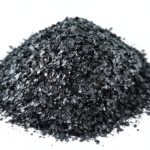

Seaweed extract is the most widely used biostimulant in the world, and also the most inconsistently specified. Two products can both say “100% seaweed extract” and behave completely differently in the field, because the extraction method decides which compounds survive.
What is actually in the extract
- Cytokinins and auxins. Natural plant hormones that drive cell division and root initiation — the main reason seaweed works on transplant establishment.
- Betaines and mannitol. Osmoprotectants that help plants hold water under heat, drought and salinity.
- Alginates and fucoidans. Polysaccharides that improve soil aggregation and trigger plant defence responses.
- Trace minerals. Iodine, boron, zinc and iron in plant-available form.
Cold process or alkaline hydrolysis
Alkaline hydrolysis (usually potassium hydroxide at high pH and temperature) gives high yields and a clean, fully soluble powder, but it degrades part of the hormone fraction. Cold or physical extraction preserves more of the labile compounds but gives a lower concentration and a shorter shelf life.
For most export programmes the practical answer is a well-controlled alkaline process with a declared alginate and cytokinin content, plus a guaranteed solubility figure. Ask for the extraction method in writing — a supplier who will not state it is usually buying bulk powder and re-bagging.
Application programme
| Stage | Method | Rate | Goal |
|---|---|---|---|
| Transplant / sowing | Root dip or soil drench | 2–3 kg/ha | Root initiation, establishment |
| Vegetative growth | Foliar | 1–1.5 kg/ha every 14 days | Canopy development |
| Flowering / fruit set | Foliar | 1–2 kg/ha | Reduce drop, improve set |
| Stress events | Foliar, before and after | 1.5–2 kg/ha | Heat, cold, salinity recovery |
What results are realistic
Published trials and our customers’ field data point to single-digit yield gains in most arable crops — typically 3 to 8% — and larger effects where stress is the limiting factor or where root establishment decides the season, such as transplanted vegetables and young orchards. Seaweed extract is not a substitute for balanced nutrition. It works best as the last 5% of a programme that is already correct.
Buying checklist
- Declared alginate or fucoidan content, not just “seaweed extract”.
- Potassium content (K2O 8–18% is typical for alkaline extracts).
- Solubility: a 1% solution should be clear with no sediment after 30 minutes.
- Heavy metal and arsenic report for EU and Japanese markets.
- Mesh size matched to your application — 60–80 mesh for foliar, 40 mesh for soil.
Our seaweed extract series is available as flake, powder and liquid, packed in 1 kg foil bags up to 25 kg drums. Ask for a sample and COA.
Send us your crop, soil and target specification — we will reply within 24 hours.